Why Workers Comp Claims Get Denied in CA

Why Workers Comp Claims Get Denied in CA

A workplace injury turns your life upside down fast. One day you’re doing your job — on a construction site in Auburn, a warehouse in Roseville, or a forestry operation in Nevada County — and the next you’re in pain, missing work, and staring down a stack of medical bills. When you finally file a workers’ comp claim and receive a denial letter, it can feel like the system has failed you completely.

You are not alone. Workers comp denied California situations happen far more often than they should, and many of those denials are challengeable. Understanding why claims get denied is the first step toward protecting your rights and getting the benefits you may be entitled to.

At Gold Country Workers’ Comp Center, we work exclusively with injured workers navigating this process. Here’s what you need to know.

The Most Common Reasons Workers Comp Claims Are Denied

Insurance companies and employers deny claims for a range of reasons — some legitimate, many not. Knowing the most common workers comp denial reasons helps you avoid costly mistakes and respond effectively if it happens to you.

1. Late or Missing Claim Filing

California law requires you to report a workplace injury to your employer within 30 days. If you wait too long, your claim can be denied outright. Many workers in the Gold Country foothills hesitate to report injuries because they’re worried about how their boss will react — that hesitation can be costly.

After reporting, your employer should provide you with a DWC-1 form (that’s the official California workers’ compensation claim form). Completing it promptly creates a paper trail that protects you. According to the California Division of Workers’ Compensation (DWC), you generally have one year from the date of injury to file a formal claim, but reporting delays early in the process give insurers grounds to question your case.

2. The Injury Is Disputed as Not Work-Related

One of the most frequent workers comp denial reasons is an insurer claiming your injury didn’t happen at work or wasn’t caused by your job duties. This is especially common with:

  • Back injuries and repetitive stress conditions (common in construction, agriculture, and retail)
  • Occupational diseases that develop gradually over time
  • Injuries that occurred during breaks or while commuting
  • Pre-existing conditions that were worsened by your job

California law does protect workers with pre-existing conditions — if your job aggravated that condition, you may still have a valid claim. Don’t assume a denial is the final word.

3. No Medical Treatment or Documentation

If you didn’t seek medical care promptly after your injury, or if your medical records don’t connect your injury to your job, an insurer will use that gap against you. In California, your employer’s insurance carrier typically has the right to direct your initial medical care through their medical provider network (MPN). Skipping that step or seeing an outside doctor without authorization can complicate your claim.

Medical documentation is the backbone of any workers’ comp case. Thorough records from the very first visit — describing how the injury happened and how it affects your ability to work — are critical.

4. Disputes Over the Extent of Your Injury

Even when liability is accepted, insurers frequently dispute how serious your injury is or how long you’ll be unable to work. This can affect your temporary disability benefits (wage replacement while you recover) or your permanent disability rating (a score used to calculate long-term compensation).

When there’s a medical dispute, California’s system involves evaluating physicians. A QME — Qualified Medical Evaluator — is a state-certified doctor appointed to give an independent opinion. An AME — Agreed Medical Evaluator — is one both sides agree on. These evaluations carry enormous weight in your case, and preparing properly for them matters.

5. The Employer Contests the Claim

Some employers — particularly in smaller businesses common throughout Placer County, El Dorado County, and Nevada County — actively challenge claims. They may dispute your account of how the injury happened, question whether it occurred on the clock, or suggest that a personal issue caused the problem. This can trigger a formal investigation by the insurance company, which has 90 days to accept or deny your claim.

6. Missed Deadlines or Procedural Errors

Workers’ comp involves a series of forms, deadlines, and required steps. Missing any of them — even unintentionally — gives insurers a technical reason to deny benefits. Workers who navigate this process without guidance are far more likely to make procedural errors that hurt their claims.

What to Do If Your Workers Comp Claim Is Denied

A denial is not the end of the road. If you’re wondering what to do if workers comp is denied, the answer is: act promptly and get help.

Request a Written Explanation

You are entitled to a written denial letter that explains the specific reason for the denial. Read it carefully. Understanding whether the denial is based on a filing issue, a medical dispute, or a liability question shapes your next steps.

File an Appeal With the WCAB

Appealing a workers comp denial in California means taking your case to the Workers’ Compensation Appeals Board (WCAB), the state body that oversees disputed claims. The appeals process involves filing legal documents, attending hearings, and presenting evidence — which is why having experienced support in your corner matters so much.

The WCAB handles thousands of disputed claims annually and is the formal avenue for challenging any denial or benefit reduction. Deadlines apply to appeals, so don’t delay.

Contact a Workers’ Comp Specialist Early

Early intervention works. This is one of the most important things we want injured workers in the Gold Country region to understand. The earlier you get qualified help, the better positioned you are to avoid mistakes, respond to insurer tactics, and protect your rights throughout the process.

Workers who wait until after a denial to seek guidance often face avoidable barriers. Important evidence may be harder to gather. Deadlines may have passed. The narrative that the insurer has built may be more entrenched. Getting support early — even before you receive a denial — can change the course of your claim.

Tactics Insurance Companies Use to Deny or Minimize Claims

It helps to understand that insurance companies have a financial incentive to pay out as little as possible. Some common tactics used against injured workers include:

  • Conducting surveillance of injured workers to dispute the severity of injuries
  • Requesting excessive medical records to find pre-existing conditions
  • Delaying claim decisions, hoping workers will give up or return to work prematurely
  • Questioning the credibility of your account if there were no witnesses
  • Offering quick, low settlements before the full extent of an injury is known

Knowing these tactics exist means you won’t be caught off guard. According to research published by the RAND Corporation’s workers’ compensation research program, injured workers without representation consistently receive lower benefits than those with guidance — further evidence that early support changes outcomes.

Frequently Asked Questions

How long does an insurance company have to deny my workers comp claim in California?

In California, an insurance company has 90 days from the date they receive your DWC-1 claim form to accept or deny your claim. If they don’t act within that window, the injury is presumed compensable — meaning it’s legally treated as accepted. However, insurers can and do act quickly, so don’t rely on this provision without guidance.

Can I appeal a workers comp denial in California?

Yes. You have the right to appeal a denial through the Workers’ Compensation Appeals Board (WCAB). The appeals process involves filing an Application for Adjudication of Claim and attending hearings before a workers’ comp judge. Deadlines apply, so it’s important to act quickly after receiving a denial letter.

What if my employer says my injury isn’t covered because of a pre-existing condition?

California law still provides protection. If your job aggravated, accelerated, or combined with a pre-existing condition to cause your current disability, you may have a valid claim. The key is medical documentation showing the work connection. This is a common dispute area, and it’s one where having knowledgeable support can make a significant difference.

Do I need a lawyer to appeal a workers comp denial in California?

You are not legally required to have an attorney, but the process is complex and the stakes are high. Workers’ comp specialists — like our team at Gold Country Workers’ Comp Center — can help you understand your options, gather evidence, and navigate the appeals process. Many injured workers find that professional guidance significantly changes their experience and outcomes.

What if I was partially at fault for my workplace injury?

California’s workers’ compensation system is a no-fault system, which means you can generally receive benefits even if you were partially responsible for the accident. There are exceptions — such as injuries caused by intoxication or intentional self-harm — but for most standard workplace injuries, fault isn’t a barrier to filing a claim.

You Deserve Clear Answers — Not More Confusion

Dealing with a workers comp denial while you’re injured and out of work is exhausting. Whether you work in construction in Grass Valley, manufacturing in Auburn, transportation around the Lake Tahoe basin, or agriculture across the Sacramento foothills, your rights under California law deserve to be taken seriously.

At Gold Country Workers’ Comp Center, our workers’ compensation specialists are here to help injured workers understand their options, respond to denials, and navigate every step of the claims process with clarity and confidence. We serve injured workers throughout Nevada County, Placer County, El Dorado County, Yuba County, and the surrounding region.

If your claim has been denied — or if you want guidance before you file — reach out to us for a free consultation. Call us at 530-362-7188 or contact us online. The sooner you reach out, the more we can do to help.


Workers Comp vs Social Security Disability

Workers Comp vs Social Security Disability

You’ve been hurt at work. The bills are piling up, your paycheck has stopped, and now someone — maybe a coworker, maybe a family member — mentions “Social Security disability.” You’re already dealing with workers’ comp paperwork, and now you’re wondering if there’s another path, a different program, or whether you can use both at the same time.

This is one of the most common points of confusion for injured workers across Northern California’s foothills — from construction crews in Auburn to forestry workers near Lake Tahoe. Understanding the difference between workers comp vs Social Security disability can significantly change your financial recovery after a serious work injury.

Let’s break it down clearly, so you can make informed decisions about your future.

What Is Workers’ Compensation in California?

What Is Workers' Compensation in California?

California workers’ compensation is a state-run insurance program that covers employees who are injured on the job or develop a work-related illness. It is not needs-based — it exists specifically because your injury happened at work, regardless of your income or savings.

Workers’ comp provides:

  • Medical treatment for your work-related injury or illness
  • Temporary disability (TD) payments when you can’t work during recovery
  • Permanent disability (PD) payments if your injury causes lasting limitations
  • Supplemental Job Displacement Benefits (SJDB) for retraining if you can’t return to your old job
  • Death benefits for surviving dependents

To receive benefits, you file a DWC-1 form — the official California workers’ comp claim form — with your employer. Your employer’s insurance carrier then manages your claim. If it goes sideways, appeals are handled by the Workers’ Compensation Appeals Board (WCAB).

Workers’ comp benefits are tied directly to your work injury. They’re meant to be temporary or to compensate for permanent damage — not to replace income indefinitely.

What Is Social Security Disability Insurance (SSDI)?

What Is Social Security Disability Insurance (SSDI)?

Social Security Disability Insurance (SSDI) is a federal program administered by the Social Security Administration (SSA). Unlike workers’ comp, SSDI is not limited to work injuries — it covers any disabling condition that prevents you from working, regardless of how it happened.

To qualify for SSDI, you must:

  • Have a medical condition expected to last at least 12 months or result in death
  • Be unable to perform “substantial gainful activity” (meaning you can’t earn above a set monthly threshold)
  • Have enough work credits from prior employment and payroll taxes

In 2026, the substantial gainful activity limit is $1,620 per month for non-blind applicants. Your SSDI payment amount depends on your earnings history — essentially, what you’ve paid into the Social Security system over your working life.

SSDI approval takes time. The average initial decision takes three to six months, and many applicants are denied at first and must appeal — a process that can stretch one to three years.

Side-by-Side: Key Differences That Matter to You

Here’s a direct comparison of workers comp vs Social Security disability across the categories that affect injured workers most:

Category Workers’ Comp (CA) SSDI (Federal)
Who qualifies Employees injured at work Anyone with a qualifying disability
Cause of injury Must be work-related Any cause
Medical coverage Yes, fully covered Medicare after 24-month waiting period
Wage replacement ~66.67% of wages during recovery Based on lifetime earnings record
Duration Until recovery or case resolution Until recovery or age 67 (retirement)
Approval speed Benefits begin relatively quickly Months to years
Attorney fees Contingency (capped by WCAB) Contingency (capped by SSA)

Can You Receive Both Workers’ Comp and SSDI?

Yes — but with an important catch. Many injured workers in Nevada County, Placer County, and El Dorado County who suffer serious long-term injuries pursue both programs simultaneously. This is completely legal, and in many cases, it’s the smartest financial move you can make.

However, the SSA applies what’s called the “workers’ comp offset rule.” Combined workers’ comp and SSDI payments cannot exceed 80% of your pre-disability earnings. If workers’ comp pushes you past that threshold, your SSDI payment is reduced — called an “offset.”

Here’s why this matters in practice:

  • A structured workers’ comp settlement can sometimes be arranged to minimize the SSDI offset
  • How your settlement is worded can legally affect how SSA calculates what you receive
  • An experienced workers’ comp attorney can help structure settlements to protect your SSDI benefits

This is precisely why early legal intervention works. The decisions made during your workers’ comp case can have lasting consequences on your federal disability benefits — sometimes costing injured workers thousands of dollars annually if not handled carefully.

Which Program Should You Pursue First?

If your injury happened at work, workers’ comp comes first. It’s faster, it covers medical care immediately, and it provides wage replacement without the lengthy SSDI approval process.

You should consider applying for SSDI when:

  • Your injury is severe enough that you likely won’t return to substantial work within 12 months
  • Your workers’ comp benefits are ending or insufficient
  • You’ve been told you have a permanent disability that limits all work, not just your old job
  • Your treating physician agrees your condition meets the SSA’s definition of disability

Don’t wait until your workers’ comp case closes to explore SSDI. The SSDI application process is slow, and starting it early — even while receiving workers’ comp — gives you a better chance of receiving benefits without a long gap in income.

Frequently Asked Questions

Does workers’ comp affect Social Security disability?

Yes. If you receive both workers’ comp and SSDI at the same time, the SSA applies an offset rule. Your combined benefits cannot exceed 80% of your pre-disability average earnings. If workers’ comp payments push you over that limit, SSA will reduce your SSDI payment by the excess amount. A lump-sum workers’ comp settlement can also trigger this offset unless it is properly structured to spread payments over time in the settlement language.

Can I collect workers’ comp and Social Security disability at the same time?

Yes, you can receive both simultaneously. Many injured California workers do. However, you must be aware of the 80% offset rule described above. Receiving both is legal and often financially beneficial — especially for workers with serious, long-term injuries. Coordinating both claims correctly, ideally with legal help, is essential to maximizing your total benefit.

Should I apply for Social Security disability before or after a workers’ comp settlement?

You should apply for SSDI as soon as your condition qualifies — do not wait for your workers’ comp case to conclude. SSDI takes months or years to approve, so delaying your application only delays potential benefits. That said, the timing and language of your workers’ comp settlement can significantly affect your SSDI offset. Consult an attorney before finalizing any settlement if you’re also pursuing SSDI.

How much SSDI will I get if I make $100,000 a year?

SSDI benefits are calculated using your lifetime average indexed earnings — not simply your current salary. For a worker earning around $100,000 annually with a consistent work history, monthly SSDI payments in 2026 typically range from $2,200 to $3,100. The SSA uses a formula that replaces a higher percentage of lower earners’ wages and a smaller percentage of higher earners’ wages. You can check your estimated benefit using the SSA’s My Social Security portal.

Next Steps: Get Help Before You Make a Decision

Whether you’re a construction worker in Auburn, a warehouse employee near Sacramento, or someone working the slopes near Lake Tahoe, navigating both systems alone is overwhelming — and costly mistakes are easy to make.

The decisions you make during your workers’ comp case can directly affect your SSDI benefits for years. Early intervention works — and this is exactly the kind of situation where having an experienced attorney review your options before you sign anything can make a substantial difference in your financial recovery.

If you’ve been seriously injured at work and aren’t sure whether workers’ comp, SSDI, or both apply to your situation, contact our office for a free consultation. We represent injured workers in Nevada County, Placer County, El Dorado County, and throughout the Northern California foothills — and we work on contingency, meaning you pay nothing unless we win.

You deserve answers. Let’s talk through your options together.

For official SSA disability information, visit the Social Security Administration’s disability benefits page. For California workers’ comp resources, visit the California Division of Workers’ Compensation.

Schema & SEO Metadata

Meta Title: Workers Comp vs Social Security Disability | CA Guide

Meta Description: Confused about workers comp vs Social Security disability in California? Learn the key differences, whether you can get both, and how settlements affect your SSDI benefits.

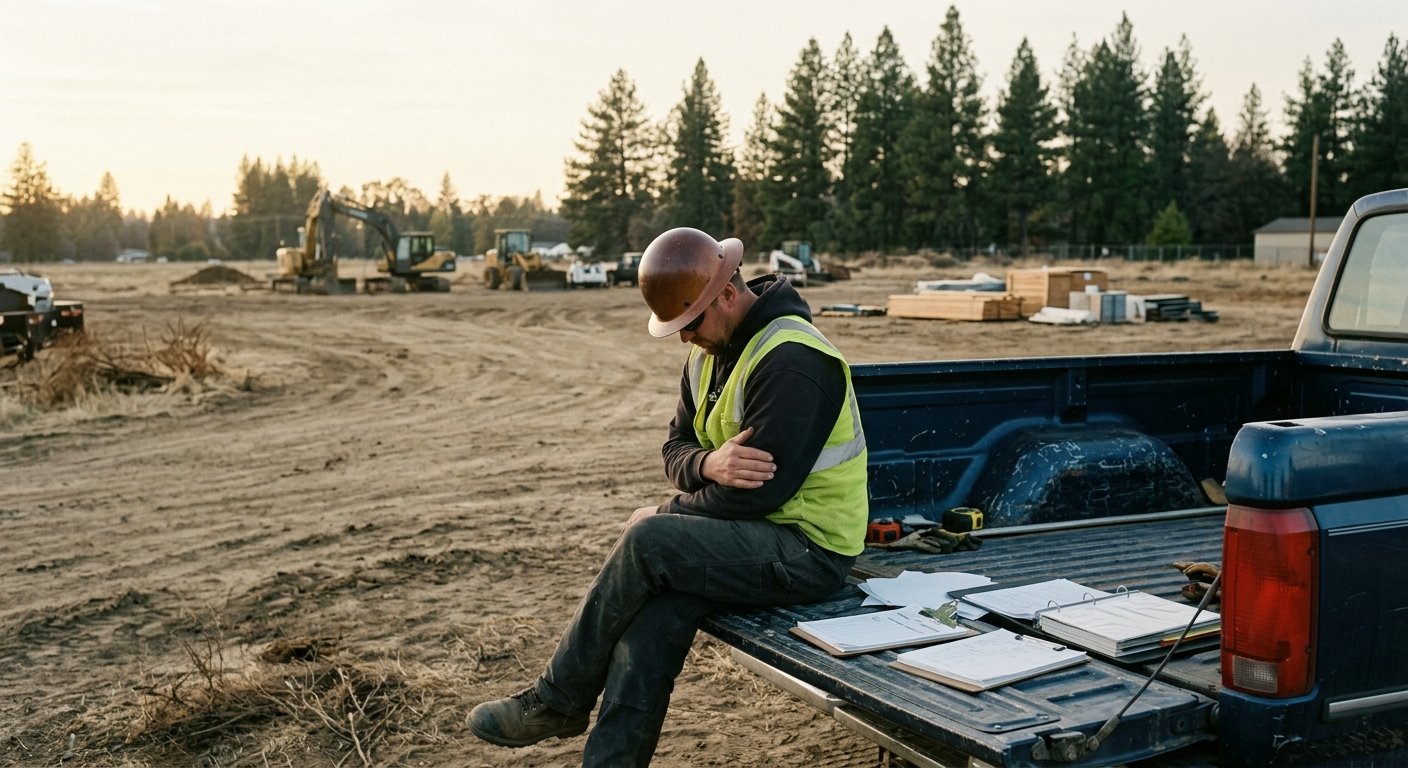
Image Suggestion 1 (Featured): A tired construction worker sitting outside a job site reviewing paperwork — alt text: “Injured worker in Northern California reviewing workers comp and Social Security disability paperwork”

Image Suggestion 2: A side-by-side comparison graphic of workers’ comp and SSDI benefits — alt text: “Visual comparison chart of workers comp vs Social Security disability benefits in California”

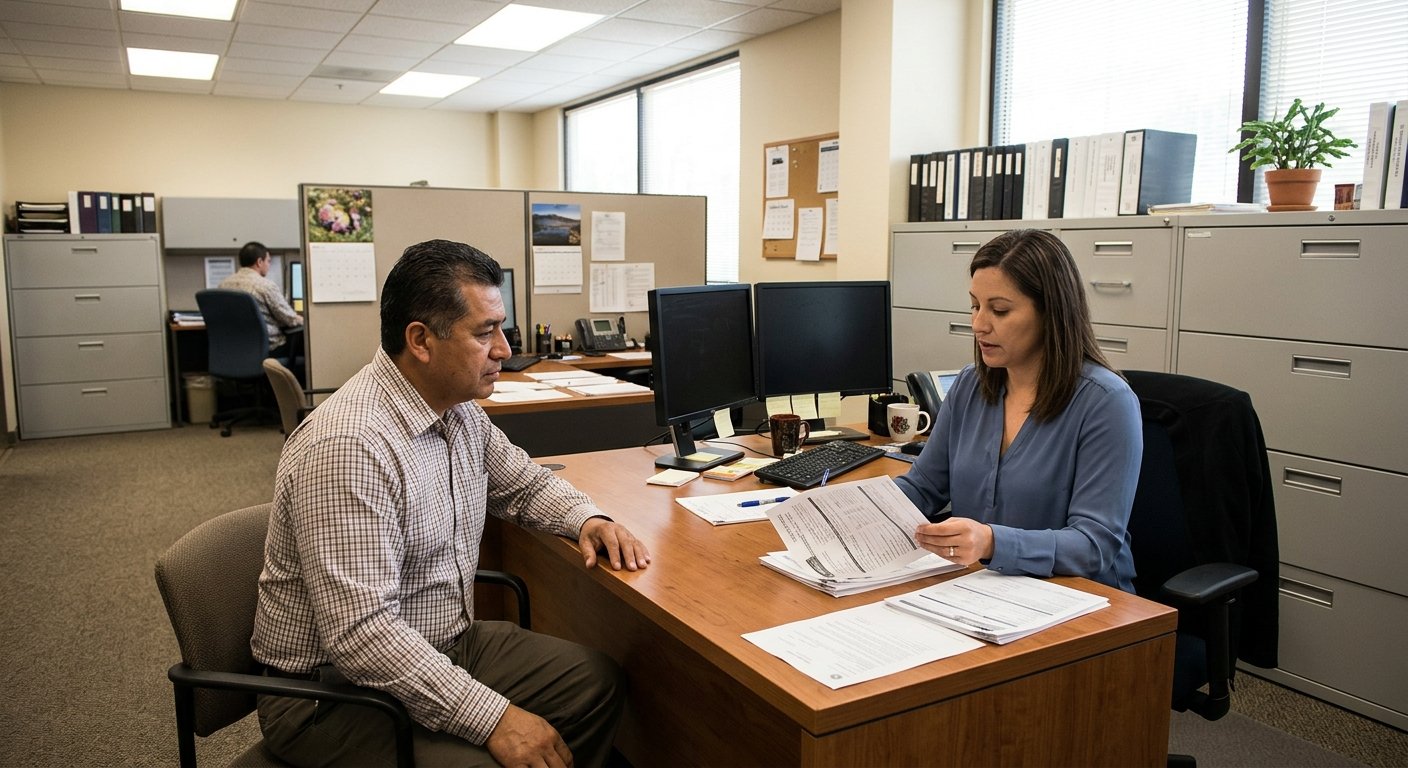
Image Suggestion 3: A professional consultation scene showing an attorney and injured worker discussing options — alt text: “Workers’ comp attorney in Northern California helping injured worker understand SSDI eligibility”


Workers Compensation Attorney

Workers Compensation & Disability in Roseville

After suffering a work-related injury, or being diagnosed with a serious illness, many people seek out a workers’ compensation attorney. Fair compensation is due to all workers who are injured at work.

These rights go beyond the realm of simple justice. The law states that all workers who sustain an injury at work must be provided with proper benefits, regardless of fault on the part of the employer or employee.

It is important to have a Worker’s Compensation attorney on your side

An injured worker can sue the third party to recover all damages for personal injuries such as those caused due to defective products or dangerous conditions on the non-employment-related property.

Employers have a responsibility to ensure that employees are safe at work. Workers who are injured by the employer’s willful failure to fulfill this duty can be entitled to compensation.

An employer will usually have an insurance company that covers workers’ compensation. This includes lost wages, medical treatment, and other costs. It is well-known, however, that many insurance companies do not have the motivation to pay workers the right amount of compensation.

They can make it extremely difficult for injured workers to get the payment they deserve and even attempt to withhold it. This is why it is so important to have an experienced California workers’ compensation lawyer by your side.

What are the Workplace Hazards?

Due to the nature of their work, some jobs will be riskier than others. Some jobs still have risks, particularly over the long term. Workers must be aware of these risks, regardless of their job.

Knowing the hazards of your workplace can help you and your coworkers stay safe. Employers who fail to inform you of risks or attempt to hide them from workers are liable.

Payment for Medical Costs and Lost Wages

For both the worker and their families, the time following a workplace injury can be stressful. An injury sustained at work can result in extensive medical treatment and may prevent the worker from being able to perform their job duties.

The situation can be made worse by lost wages, expensive medical bills, and severe pain. This combined with the difficulties of dealing with insurance companies makes it easy to understand how stressful this recovery period can become.

To maximize your chances of getting the maximum amount of compensation, it is important to find a California worker’s compensation lawyer.

The sooner you seek legal advice, the better your chances of winning. ADVANCED INTERVENTION IS KEY!

For a free consultation with a California worker’s compensation lawyer, contact Gold Country Workers Comp Center.

Workers Compensation Attorney

Follow us: Facebook | LinkedIn