

No — in California, your employer cannot legally fire you, demote you, or punish you simply because you filed a workers‘ compensation claim. This protection applies to all California workers, regardless of industry or employer size. Retaliation for filing a workers’ comp claim is illegal under California Labor Code Section 132a, and violating it carries real consequences for employers.
- California Labor Code Section 132a specifically prohibits employers from retaliating against workers who file — or intend to file — a workers’ comp claim.
- Retaliation can take many forms beyond termination: demotions, pay cuts, reduced hours, harassment, or sudden poor performance reviews.
- If you were fired after filing a claim, you have legal remedies — but time limits apply, so acting quickly matters.
- Early intervention from a workers’ compensation specialist dramatically improves your ability to document and fight back against retaliation.
- Injured workers in Nevada County, Placer County, El Dorado County, and surrounding foothill communities have the same statewide protections as workers anywhere in California.
Many injured workers in the Gold Country foothills — from Grass Valley to Auburn to the Lake Tahoe basin — hesitate to file a workers’ comp claim because they’re afraid of exactly this: losing their job. That fear is understandable, and it’s one of the most common concerns we hear from injured workers across Nevada County, Placer County, and El Dorado County. But letting that fear stop you from filing could cost you the medical care and wage benefits you’ve earned.
What California Law Actually Says
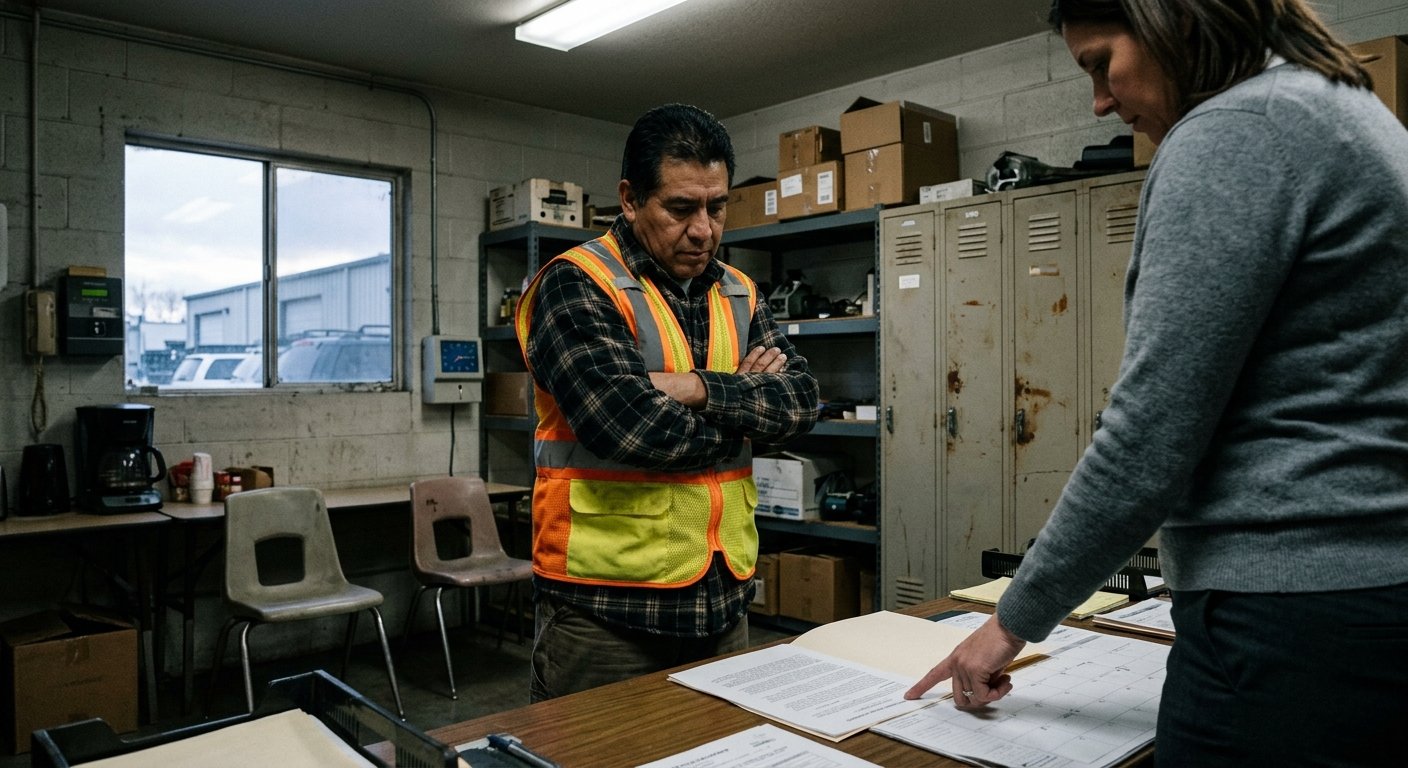
California Labor Code Section 132a is one of the most worker-protective statutes in the country. It makes it unlawful for an employer to discriminate against an employee in any way because that employee filed or intends to file a workers’ compensation claim. This includes not just firing, but also:
- Demoting you or reducing your job responsibilities
- Cutting your pay or reducing your hours
- Transferring you to a less desirable position
- Threatening you or creating a hostile work environment
- Giving you unfair performance reviews after you file
Violations of Section 132a can result in penalties against your employer, reinstatement of your employment, and reimbursement of lost wages and benefits. You can learn more about California’s workers’ compensation system and worker rights directly from the California Department of Industrial Relations, Division of Workers’ Compensation.
California law protects workers who are about to file a claim — not just those who already have. If your employer fired you after you reported a workplace injury but before you formally filed, that can still qualify as illegal retaliation. Document everything immediately.
How Retaliation Actually Happens

Retaliation is rarely as simple as a manager saying, “You’re fired because you filed a claim.” Employers who act illegally tend to be more subtle. Understanding the real-world patterns of workers’ comp retaliation helps you recognize it — and respond to it.
The Sudden Performance Problem
One of the most common tactics: an employee files a workers’ comp claim and suddenly receives a performance warning — despite years of satisfactory reviews. If your work record was clean before your injury and problems appear only after you filed, that timing is significant and can be evidence of retaliation.
The “We Had to Restructure” Excuse
Some employers disguise retaliation as a layoff or company restructuring. If you were let go shortly after filing a claim while coworkers with similar roles kept their jobs, that pattern deserves a closer look. California courts have considered timing and circumstantial evidence in these situations.
The Hostile Environment
Not all retaliation results in termination. Being reassigned to difficult shifts, isolated from your team, or subjected to pressure to return to work before your doctor clears you are all forms of retaliation that California law recognizes. Injured workers should document every concerning interaction after a claim is filed.
Retaliation is rarely announced — it’s constructed piece by piece through timing, pressure, and paperwork that appears legitimate on the surface.
What to Do If You Think You’ve Been Retaliated Against

If you’ve been fired, demoted, or treated unfairly after filing — or even after reporting — a workplace injury, your next steps matter enormously. Here’s how to protect yourself.
Write Everything Down
Document dates, times, names, and what was said or done. Keep copies of any performance reviews, termination letters, emails, or texts. The more detailed your records, the stronger your position.
Request Your Personnel File
California law gives employees the right to review and copy their personnel records. Reviewing this file can reveal whether negative documentation appeared only after your injury — a red flag for retaliation.
File a 132a Petition
A 132a discrimination petition is filed with the Workers’ Compensation Appeals Board (WCAB). This is the legal forum where workers pursue retaliation claims under California workers’ compensation law. Time limits apply, so don’t delay.
Contact a Workers’ Compensation Specialist
Navigating a retaliation claim alongside an underlying workers’ comp claim is complex. Getting experienced support early — ideally before you make formal statements to your employer or insurer — significantly improves your ability to protect your rights.
The single most common mistake injured workers make is waiting too long to seek help. Whether you’re dealing with a denied claim, a suspicious termination, or pressure to return before you’re medically cleared, getting knowledgeable support early in the process makes a measurable difference in outcomes.
Your Workers’ Comp Rights Don’t Disappear If You’re Fired
One crucial point: being terminated after filing a workers’ compensation claim does not eliminate your right to workers’ comp benefits. Your medical treatment, temporary disability payments, and any permanent disability benefits you’re owed continue even if your employment ends. California’s workers’ compensation system is a no-fault system — benefits are tied to the injury, not your employment status at the time of the claim’s resolution.
Additionally, if your injury prevents you from returning to your prior occupation long-term, you may qualify for vocational rehabilitation benefits or, in some cases, Social Security Disability Insurance (SSDI). Understanding all available benefit pathways is something our specialists help injured workers throughout the Gold Country region evaluate.
The U.S. Equal Employment Opportunity Commission also provides broader context on workplace retaliation protections that may apply in conjunction with California state law in certain situations.
Specific Situations That Come Up in Gold Country Communities
Workers in physically demanding industries throughout Nevada County, Placer County, and El Dorado County face these situations more often than most. Construction workers hurt on job sites in Auburn or Grass Valley, agricultural workers in the foothills, and transportation workers throughout the Sacramento corridor often work for employers who try to minimize claims through pressure rather than support. Forestry workers and manufacturing employees in our region carry significant injury risk and deserve to know their protections are real and enforceable.
The California workers’ compensation system, overseen by the Division of Workers’ Compensation, exists to protect every one of these workers — and so does Section 132a.
Frequently Asked Questions
Can my employer fire me while I’m on workers’ comp leave?
Yes — but only for legitimate, documented reasons unrelated to your workers’ comp claim. If the termination happens because you filed a claim or are receiving benefits, that’s illegal retaliation under California Labor Code Section 132a. Timing and your prior work history are key factors in determining whether a termination was retaliatory.
What is a 132a petition and how does it work?
A 132a petition is a formal complaint filed with the Workers’ Compensation Appeals Board (WCAB) alleging that your employer discriminated against you for filing a workers’ comp claim. If successful, it can result in reinstatement, back pay, and increased compensation. It must be filed within one year of the discriminatory act, so acting promptly is essential.
Do I still get workers’ comp benefits if I’m fired after filing?
Yes. Your workers’ compensation benefits — including medical treatment and disability payments — are tied to your workplace injury, not your current employment status. Being fired after a claim does not terminate your right to those benefits, though navigating the claim process can become more complicated without employer cooperation.
What counts as proof of workers’ comp retaliation?
Proof often includes the timing between your claim and adverse action, inconsistencies in your performance record before and after the injury, witness statements, emails or texts that reference your claim, and whether similarly situated coworkers were treated differently. A workers’ compensation specialist can help you identify and preserve relevant evidence.
Can a small employer in Grass Valley or Auburn still retaliate illegally?
Yes. California Labor Code Section 132a applies to all employers who are required to carry workers’ compensation insurance — which is virtually every employer in California regardless of size. There is no small-business exemption from retaliation protections.
Concerned About Retaliation? Talk to Someone Who Knows the System.
If you’ve been fired, demoted, or treated unfairly after a workplace injury, our workers’ compensation specialists are here to help you understand your options — clearly, honestly, and without pressure.

About Gold Country Workers' Comp Center
Gold Country Workers' Comp Center provides workers' compensation services to injured workers and employers navigating the claims process. The business focuses on guiding clients through the complexities of workers' comp with clarity and support. Their approach centers on accessible, straightforward assistance for those dealing with workplace injuries and related benefits. Visit goldcountryworkerscomp.com →


