

If workers‘ comp has denied your medical treatment in California, you have the right to appeal that decision — and the law gives you a specific process to do it. The insurer’s denial goes through a system called Utilization Review, and from there you can escalate to Independent Medical Review. You do not have to simply accept a denial. Injured workers in Northern California navigate these appeals every day, and knowing the steps puts you back in control.
- A workers’ comp insurer must justify any denial of medical treatment through Utilization Review (UR).
- You can challenge a UR denial through California’s Independent Medical Review (IMR) process — a legal right, not a favor.
- Deadlines matter: you generally have 30 days from a UR denial to request IMR.
- If IMR upholds the denial, further appeal to the Workers’ Compensation Appeals Board (WCAB) is still possible in limited circumstances.
- Getting help from a workers’ comp specialist early significantly improves your ability to navigate these steps correctly.
Why Insurers Deny Medical Treatment
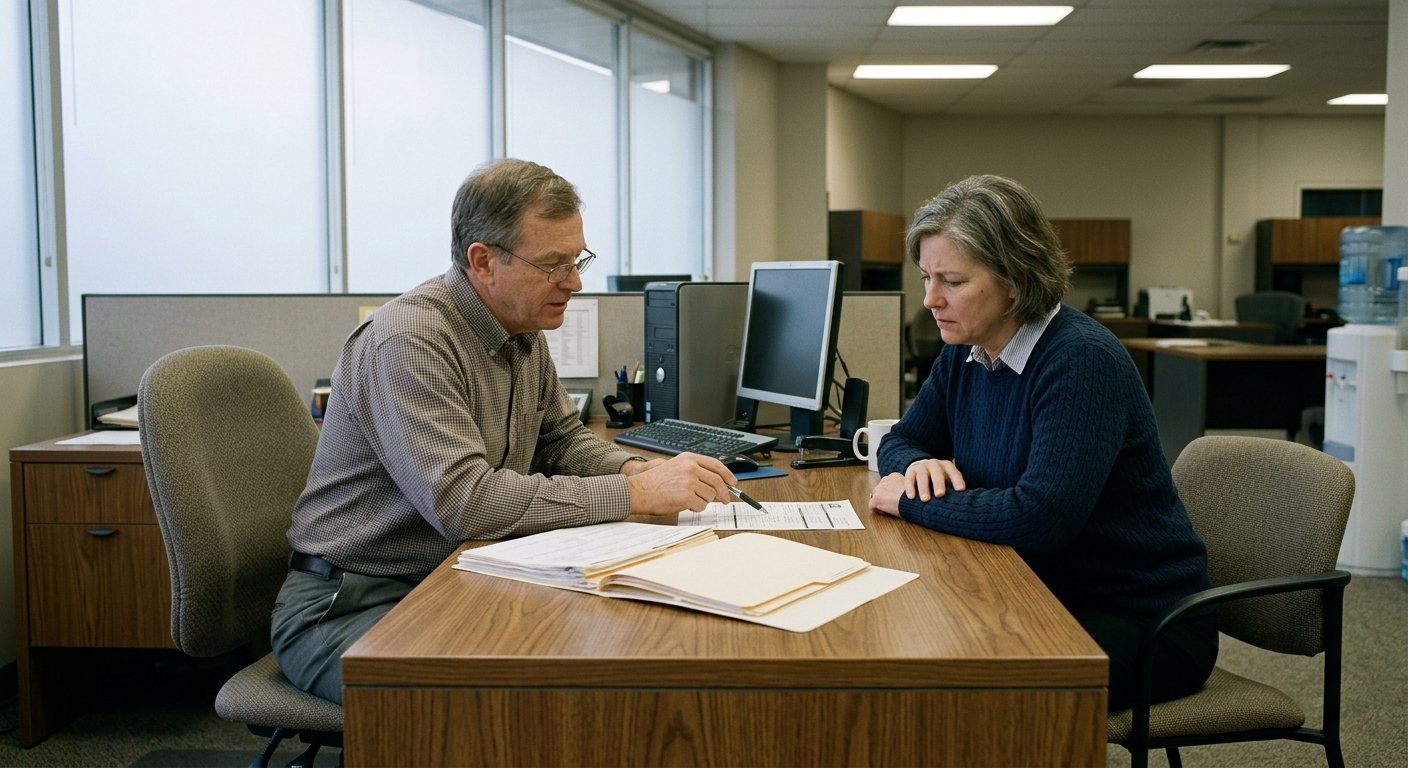
A workplace injury is stressful enough. Discovering that the insurance company has denied the treatment your doctor recommended can feel like the ground has shifted beneath you. Before diving into your options, it helps to understand why denials happen in the first place.
California workers’ compensation insurers are required to evaluate treatment requests through a process called Utilization Review (UR). UR is a system where the insurer — or a company it hires — reviews your treating doctor’s request and decides whether the proposed treatment meets established medical guidelines. The guidelines most commonly used are published by the California Division of Workers’ Compensation’s Medical Treatment Utilization Schedule (MTUS).
Denials can result from a treatment being deemed “not medically necessary,” falling outside MTUS guidelines, or lacking sufficient documentation. Sometimes the denial is legitimate — but often, the documentation just needs to be stronger, or the right appeal hasn’t been filed. Either way, a denial is not final until you’ve exhausted your rights.
Do not ignore a UR denial or assume it’s the end of the road. Missing appeal deadlines — especially the 30-day window to file for Independent Medical Review — can permanently close off certain options. Act quickly after receiving any written denial.
Understanding the IMR Process in California

When a UR decision denies or modifies your requested treatment, California law gives you the right to request an Independent Medical Review (IMR). IMR is handled by an independent organization contracted by the state — currently Maximus Federal Services — and the reviewer is a physician with no connection to your insurer.
The IMR process is your primary tool for challenging a denied treatment. Here’s how it works in plain terms:
Receive the UR Denial in Writing
The insurer must notify you in writing of any UR denial. This letter will explain the basis for denial and include information about your right to request IMR. Keep this document — you’ll need it.
File Your IMR Request Within 30 Days
You must submit your IMR request within 30 days of the UR denial notice. This is a strict deadline. The DWC’s IMR request form is available through the California Division of Workers’ Compensation. Submit it promptly — by mail or electronically if available.
Medical Records Are Reviewed Independently
The IMR organization reviews all relevant medical records, your doctor’s treatment request, and the UR denial rationale. You and your doctor can submit supporting documents — this is where having complete medical records is critical.
Receive the IMR Decision
IMR decisions are generally issued within 30 days for non-urgent matters, or within 72 hours for urgent or expedited cases. If IMR overturns the denial, the insurer must authorize the treatment. If IMR upholds the denial, further options are limited but not zero.
Escalate to the WCAB If Appropriate
If IMR upholds the denial, you can appeal to the Workers’ Compensation Appeals Board (WCAB) — but only on narrow grounds, such as fraud, conflict of interest, or a decision that was clearly outside the scope of the medical evidence. A workers’ comp specialist can help you determine whether this path applies to your situation.
What If You Need Treatment Right Now?

Waiting for an IMR decision isn’t always medically realistic. If your condition is urgent, California workers’ comp law allows for an expedited IMR review. An expedited review applies when the standard timeframe would seriously jeopardize your health, your ability to regain function, or your ability to return to work. Ask your treating physician to document the urgency clearly in writing — this supports the expedited request.
In the meantime, if you have other health coverage, that insurance may pay for necessary treatment, with the understanding that workers’ comp will reimburse costs if the claim is ultimately accepted. This is a complex area, and it’s worth discussing with a specialist before proceeding.
Your primary treating physician — the doctor managing your workers’ comp care — is one of your most important allies. Make sure they are documenting not just your diagnosis, but how your condition affects your ability to work and your daily function. Strong documentation supports stronger treatment requests and IMR appeals.
What the IMR Decision Means for Your Care
An IMR decision that overturns the UR denial is legally binding on the insurer. They must authorize and pay for the treatment. An IMR decision that upholds the denial is also considered final for most purposes — which is why it’s essential to give IMR your best case the first time, with complete medical documentation.
A denial is not the end of the road — it’s the beginning of a process California law specifically built to protect you.
If you’re dealing with a dispute that goes beyond a single treatment denial — such as a full claim denial, a dispute over your permanent disability rating, or questions about returning to work — you may also be eligible to have a medical dispute evaluated through an Agreed Medical Evaluator (AME) or a Qualified Medical Evaluator (QME). These are independent physicians assigned to resolve disagreements about your medical condition and work limitations. Our team can walk you through when each applies to your situation.
Local Support for Injured Workers in Northern California
Injured workers across Nevada County, Placer County, El Dorado County, and the surrounding foothills — from Grass Valley to Auburn to the Lake Tahoe region — often face the same challenge: they’re dealing with a workplace injury while simultaneously trying to figure out a system that feels designed to be confusing. Construction workers, forestry crews, agricultural workers, and retail employees in these communities work hard and deserve clear answers.
At Gold Country Workers’ Comp Center, our workers’ compensation specialists serve injured workers throughout this region. We don’t represent insurance companies or employers — our focus is entirely on helping injured workers understand their rights and navigate the claims process with confidence. Early intervention consistently makes a difference. The sooner you get guidance, the stronger your position on treatment appeals, benefit claims, and any future disputes.
Many injured workers wait until a denial has already become complicated before seeking help. Contacting a workers’ comp specialist early — even before you file — means your claim is built on a stronger foundation from the start, and you’re less likely to miss a critical deadline or submit incomplete documentation.
Frequently Asked Questions
What is Utilization Review in California workers’ comp?
Utilization Review (UR) is the process insurers use to evaluate whether a treatment requested by your doctor is medically necessary under California guidelines. The insurer — or a UR company it hires — reviews the request against the state’s Medical Treatment Utilization Schedule. A UR denial means the insurer won’t authorize the treatment, but you have the right to appeal through Independent Medical Review.
How do I appeal a workers’ comp medical denial in California?
To appeal a workers’ comp medical denial, you request an Independent Medical Review (IMR) through the California Division of Workers’ Compensation. You must file within 30 days of receiving the UR denial notice. Submit the DWC’s IMR request form along with any supporting medical documentation. An independent physician then reviews the case and issues a binding decision.
What happens if IMR upholds the denial?
If IMR upholds the denial, your options become more limited but aren’t entirely gone. You may be able to appeal to the Workers’ Compensation Appeals Board (WCAB) if there was fraud, a conflict of interest, or an obvious error in the IMR process. A workers’ comp specialist can review your specific situation and advise whether a WCAB appeal has merit.
Can I get an expedited review if I need treatment urgently?
Yes. California workers’ comp law provides for expedited IMR reviews when a standard timeline would seriously harm your health or recovery. Your treating physician needs to document the medical urgency clearly. Expedited reviews are typically completed within 72 hours of receiving all necessary information.
Does getting help from a workers’ comp specialist really make a difference?
Yes — especially when it comes to treatment denials. Workers’ comp specialists understand what documentation is needed for a successful IMR appeal, how to communicate with insurance companies, and when escalation to the WCAB is appropriate. Injured workers who get early guidance are better positioned at every stage of the process.
Don’t Let a Denial Stop Your Recovery
If workers’ comp has denied your medical treatment, contact Gold Country Workers’ Comp Center for a free consultation — we’ll help you understand your rights and your next steps.

About Gold Country Workers' Comp Center
Gold Country Workers' Comp Center provides workers' compensation services to injured workers and employers navigating the claims process. The business focuses on guiding clients through the complexities of workers' comp with clarity and support. Their approach centers on accessible, straightforward assistance for those dealing with workplace injuries and related benefits. Visit goldcountryworkerscomp.com →


