

A California workers‘ comp case can resolve in as little as a few months or stretch beyond two years, depending on the complexity of your injury, whether the claim is disputed, and how quickly the parties reach a settlement. Most straightforward cases settle within six to eighteen months, but injuries requiring surgery, permanent disability ratings, or appeals routinely take longer.
- Simple claims with no disputes often close in six to twelve months; contested cases regularly run one to two years or more.
- California law sets hard deadlines — including a one-year statute of limitations to file — that can permanently close your right to benefits if missed.
- Getting help early in the process is the single most effective way to avoid delays, denials, and underpayments.
- A permanent disability rating must be assigned before most cases fully settle, and that process alone can add months.
- Injured workers in Nevada County, Placer County, El Dorado County, and surrounding foothills areas can get free guidance from Gold Country Workers’ Comp Center.
Why There Is No Single Answer

If you’ve been hurt at work and you’re waiting to find out when your life gets back to normal, the uncertainty is exhausting. You want a number. The honest answer is that the workers’ comp case timeline in California varies enormously because every claim involves different injuries, different employers, different insurance carriers, and different levels of dispute.
A broken wrist that heals cleanly and returns you to full duty in eight weeks will close much faster than a lumbar spine injury requiring surgery, physical therapy, and a permanent disability evaluation. The system is designed to accommodate that range — but the tradeoff is that it can feel impossibly slow when you’re the one waiting on a check.
California’s workers’ compensation system is governed by the Division of Workers’ Compensation (DWC), which sets specific deadlines for insurers and injured workers alike. Missing those deadlines — on either side — can change the outcome of your case dramatically.
The Workers’ Comp Case Timeline in California: Phase by Phase
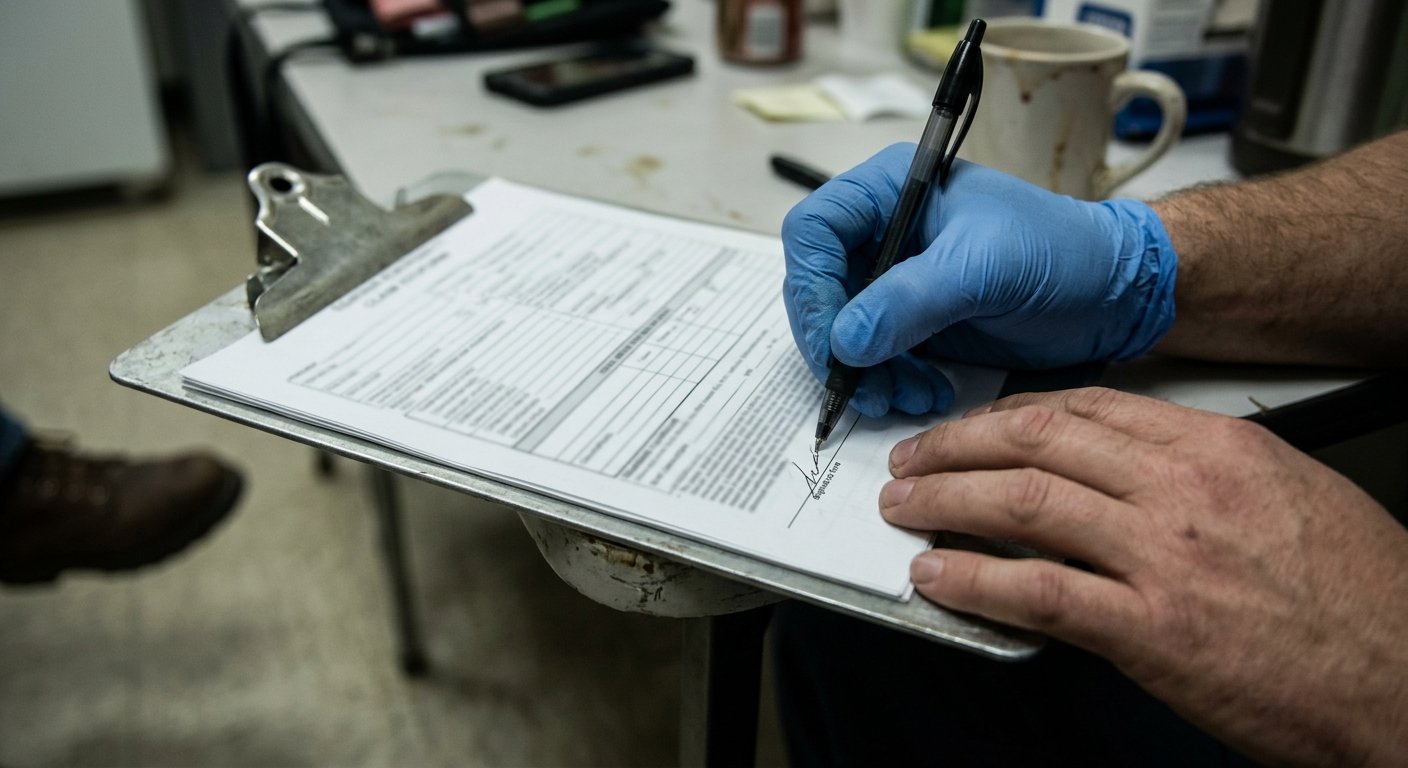
Understanding what happens at each stage helps you set realistic expectations and spot when something is taking longer than it should.
Report the Injury and File the DWC-1 Form
You must report a workplace injury to your employer as soon as possible. Your employer is then required to give you a DWC-1 claim form — the official document that opens your workers’ comp case. Under California law, you have one year from the date of injury to file. Once the form is submitted, the insurance carrier has 90 days to accept or deny the claim. During that window, they must provide up to $10,000 in medical treatment while investigating.
Medical Treatment and Evaluation
Once your claim is accepted, you’ll begin treating with an authorized provider. If your employer has a Medical Provider Network (MPN), you’ll generally need to see doctors within that network. This phase can last weeks or years depending on the severity of your injury. Progress is tracked through medical reports, which become central evidence in your case.
Reaching Maximum Medical Improvement (MMI)
Your case cannot settle fully until a doctor declares you have reached maximum medical improvement — the point where your condition has stabilized and further significant recovery is unlikely. This is sometimes called “permanent and stationary” status in California workers’ comp. Reaching MMI can take anywhere from a few months to several years for serious injuries.
Permanent Disability Rating
If your injury leaves you with any lasting limitations, a permanent disability (PD) rating is assigned using the California Permanent Disability Rating Schedule. This rating determines the dollar amount of your permanent disability benefits. Disputes over the rating are common and often require an evaluation by a Qualified Medical Evaluator (QME) — a state-certified physician — or an Agreed Medical Evaluator (AME) if both sides agree on a doctor.
Settlement or Hearing
Most California workers’ comp cases resolve through one of two types of settlements: a Stipulation with Request for Award, which keeps future medical care open, or a Compromise and Release (C&R), which closes the case entirely in exchange for a lump sum. If no agreement is reached, a judge at the Workers’ Compensation Appeals Board (WCAB) will decide the case at a trial.
What Causes Cases to Take Longer

Several factors consistently extend how long workers’ comp claims take in California. Being aware of them can help you and your representative act strategically.
- Disputed liability: If the insurance company denies your claim or questions whether the injury happened at work, the case moves to the WCAB — and hearings can take many additional months to schedule.
- Surgery or complex medical care: Major procedures require recovery time before MMI can be declared, which delays the entire settlement timeline.
- QME scheduling delays: Getting an appointment with a Qualified Medical Evaluator can itself take two to four months or longer.
- Disagreements over permanent disability: The insurer’s rating and your treating doctor’s opinion frequently differ, leading to negotiation or additional evaluations.
- Vocational rehabilitation issues: If your injury prevents you from returning to your prior occupation, supplemental job displacement benefits and retraining questions add another layer to the process.
The earlier you understand how the process works, the better positioned you are to avoid the delays that cost injured workers months of their lives.
A Note on Timelines in Northern California’s Foothills
If you work in Grass Valley, Auburn, Placerville, or the Lake Tahoe corridor, you’re likely in an industry — construction, forestry, agriculture, transportation — where injuries tend to be serious and recovery is far from simple. Foothills communities also have fewer local specialists, which can add time to the QME process. Workers in Nevada County, Placer County, and El Dorado County face the same state system as everyone else, but local knowledge about how regional employers and carriers operate can make a real difference in how efficiently your case moves.
At Gold Country Workers’ Comp Center, our workers’ compensation specialists work directly with injured workers across this region every day. Early intervention consistently makes a difference — not because we can promise any particular outcome, but because understanding the process before mistakes happen is always better than trying to correct them afterward.
Many injured workers wait until their claim is denied or stalled before seeking guidance. By then, deadlines may have passed or critical medical evidence may be harder to gather. Reaching out early — even before filing — gives you the clearest picture of what to expect and what to protect.
Can You Speed Up a Workers’ Comp Case?
You cannot force an insurance carrier to move faster, but you can avoid the most common causes of unnecessary delay:
- File the DWC-1 form promptly after reporting the injury — don’t wait weeks.
- Attend all medical appointments and follow treatment recommendations consistently.
- Respond quickly to any requests from the insurance company or your representative.
- Keep records of all correspondence, medical visits, and time lost from work.
- Work with a knowledgeable representative who knows the local system and can flag when the insurer is dragging its feet without cause.
The California workers’ comp settlement timeline also depends on how motivated both sides are to resolve the case. Cases that go to the WCAB for a trial can add a year or more. Settlements, when fair, almost always resolve faster.
What About Long-Term or Permanent Injuries?
If your workplace injury is severe enough that returning to work is not possible — whether temporarily or permanently — you may also qualify for Social Security Disability Insurance (SSDI) in addition to workers’ comp benefits. These are two separate systems with different rules and timelines. Pursuing both at the same time is possible, but coordination matters because receiving workers’ comp benefits can affect the amount of SSDI you receive. If you’re facing that situation, it’s worth understanding both tracks from the start.
Frequently Asked Questions
How long does the insurance company have to accept or deny my claim in California?
Under California law, the insurance carrier has 90 days from receiving your DWC-1 claim form to accept or deny the claim. During that investigation period, they must authorize up to $10,000 in medical treatment. If they do not issue a decision within 90 days, the claim is presumed accepted.
What is the statute of limitations for filing a workers’ comp claim in California?
In most cases, you have one year from the date of injury to file a workers’ compensation claim in California. For occupational diseases or repetitive stress injuries, the clock may start from when you knew or should have known the condition was work-related. Missing this deadline can permanently bar you from benefits.
What does it mean when my doctor says I’m “permanent and stationary”?
“Permanent and stationary” (P&S) is California workers’ comp language for reaching maximum medical improvement — the point where your condition has stabilized. Once you reach P&S status, the process of assigning a permanent disability rating begins, which is a key step before your case can fully settle.
Can my case reopen after it settles?
It depends on the type of settlement. A Stipulation with Request for Award keeps future medical care open for five years from the date of injury, so you can request additional treatment if your condition worsens. A Compromise and Release closes the case entirely, including future medical care, in exchange for a lump-sum payment. Understanding the difference before you sign is critical.
Do I need a workers’ comp specialist or attorney?
You are not legally required to have representation, but claims involving disputed liability, permanent disability, surgery, or employer retaliation are significantly more complex. Workers’ compensation specialists and attorneys work on contingency in California — meaning they only collect a fee if you receive benefits — so there is generally no upfront cost to getting help.
Not Sure Where Your Case Stands?
Our workers’ compensation specialists at Gold Country Workers’ Comp Center are here to help injured workers in Nevada County, Placer County, El Dorado County, and throughout the Northern California foothills understand their rights and navigate the process — starting with a free consultation.

About Gold Country Workers' Comp Center
Gold Country Workers' Comp Center provides workers' compensation services to injured workers and employers navigating the claims process. The business focuses on guiding clients through the complexities of workers' comp with clarity and support. Their approach centers on accessible, straightforward assistance for those dealing with workplace injuries and related benefits. Visit goldcountryworkerscomp.com →


